
Natto Wada
Photoplayd Industry Rating
Not enough rated films yet to compute a weighted score.
Roles are weighted by involvement: director 1.0, screenwriter 0.7, lead 0.8, supporting 0.4, crew 0.1.
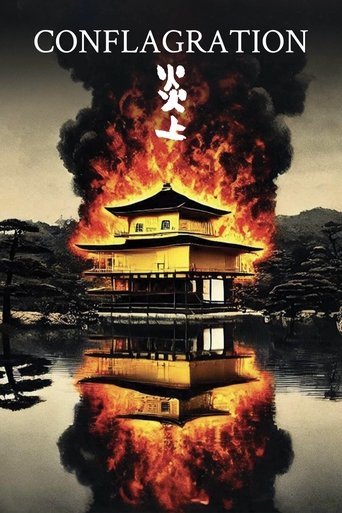
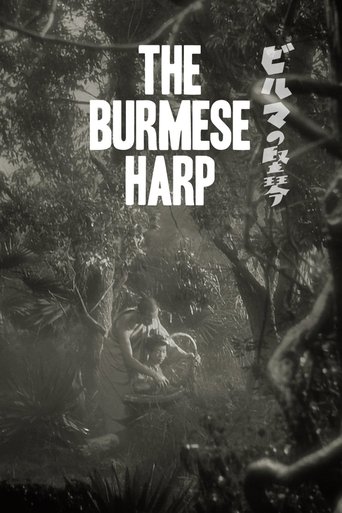
Natto Wada (和田 夏十, Wada Natto, 13 September 1920 – 18 February 1983), also known as Natsuto Wada, was a Japanese script writer and film columnist. Wada graduated with an English degree from Tokyo Women's College in 1946. She started her career at the Fujimoto Cinema Production company, where she met her husband, Kon Ichikawa, a filmmaker who promoted her script work to colleagues and collaborated with her on several films. She began writing, or co-writing, scripts in 1951, and continued until 1965. Wada's scripts included the 1953 film Puu-san, a satirical comedy based on the manga of Yokoyama Taizo; the 1956 film Shokei no Heya, based on a novel by Ishihara Shintaro. That year, Wada also wrote Nihonbashi, based on a novel by Izumi Kyoka, which documented the rivalry of two geisha in a male-dominated culture. Kuroi Junin no Onna (Ten Dark Women) was a 1961 film that satirized an egotistical male's reliance on his wife to stay out of trouble. Also that year, Wada wrote Hakai (The Broken Commandment) a film adaptation of Shimazaki Toson's eponymous 1906 novel, which examined the life of a social outcast. Wada's adaptation was notable for strengthening the role of the female protagonist. Other film scripts by Wada or with collaborators include Biruma no Tategoto (Harp of Burma, 1956), based on the eponymous 1946 novel by Takayama Michio; Enjō (Conflagration, 1959) based on Mishima Yukio's 1956 novel, The Temple of the Golden Pavilion. Wada was also known for her work as an advice columnist during the 1960s. Her column, "Personal Life Consultation," ran in the Asahi Shimbun.
Known for
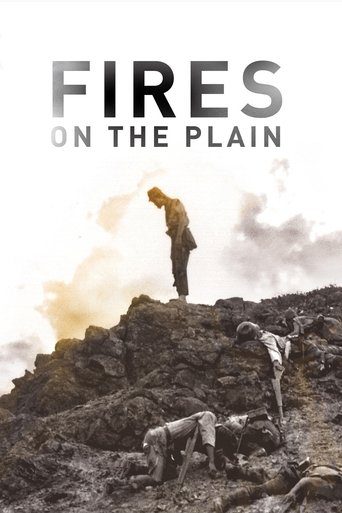
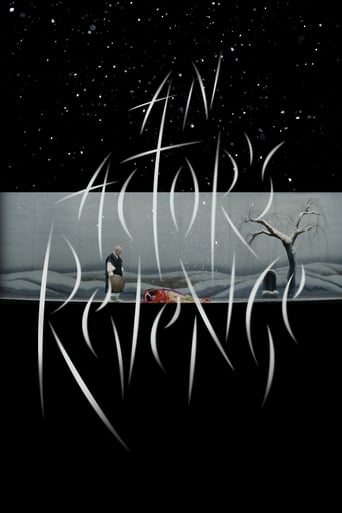
Credits
Conflagration (1958)
Screenplay
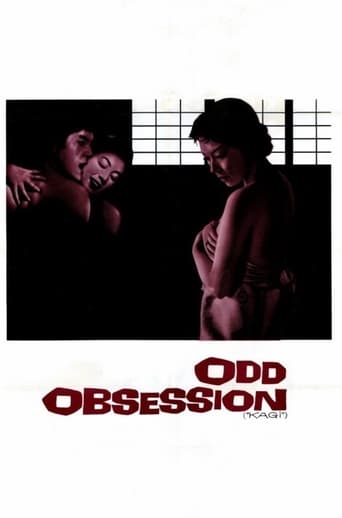
Odd Obsession (1959)
Screenplay

The Burmese Harp (1956)
Screenplay
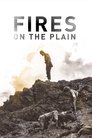
Fires on the Plain (1959)
Screenplay
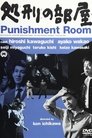
Punishment Room (1956)
Screenplay
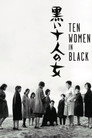
Ten Women in Black (1961)
Screenplay
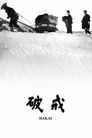
The Broken Commandment (1962)
Screenplay
The Crowded Train (1957)
Screenplay
Bonchi (1960)
Screenplay
Alone Across the Pacific (1963)
Screenplay
Being Two Isn't Easy (1962)
Screenplay
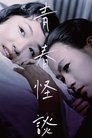
Ghost Story of Youth (1955)
Screenplay
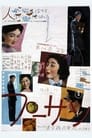
Mr. Pu (1953)
Screenplay
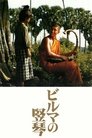
The Burmese Harp (1985)
Screenplay
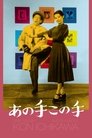
This Way, That Way (1952)
Screenplay
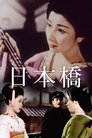
Bridge of Japan (1956)
Screenplay
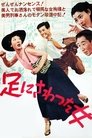
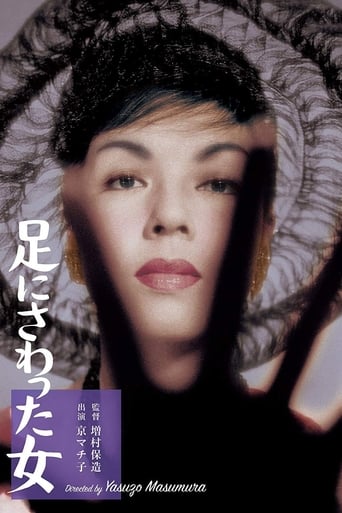
The Woman Who Touched the Legs (1952)
Screenplay
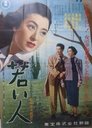
Forbidden Path (1952)
Screenplay
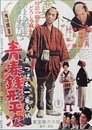
Brilliant! The First Detective: Zenigata Heiji in His Youth (1953)
Screenplay