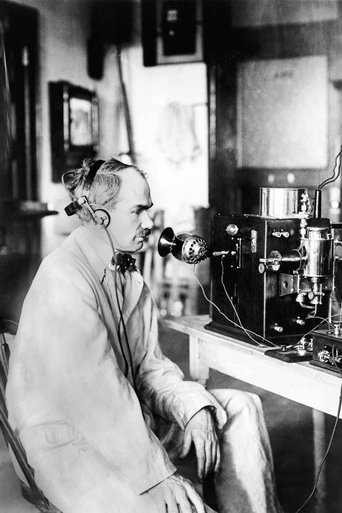
Lee De Forest
Photoplayd Industry Rating
Not enough rated films yet to compute a weighted score.
Roles are weighted by involvement: director 1.0, screenwriter 0.7, lead 0.8, supporting 0.4, crew 0.1.
Lee de Forest, (born August 26, 1873, Council Bluffs, Iowa, U.S.—died June 30, 1961, Hollywood, California), American inventor of the Audion vacuum tube, which made possible live radio broadcasting and became the key component of all radio, telephone, radar, television, and computer systems before the invention of the transistor in 1947. Although de Forest was bitter over the financial exploitation of his inventions by others, he was widely honoured as the “father of radio” and the “grandfather of television.” He was supported strongly but unsuccessfully for the Nobel Prize for Physics.
Known for
Credits
Harlequin Serenade (1923)
Director
Stringed Harmony (1923)
Director
Dick Henderson (1926)
Director
A Few Moments with Eddie Cantor (1923)
Director
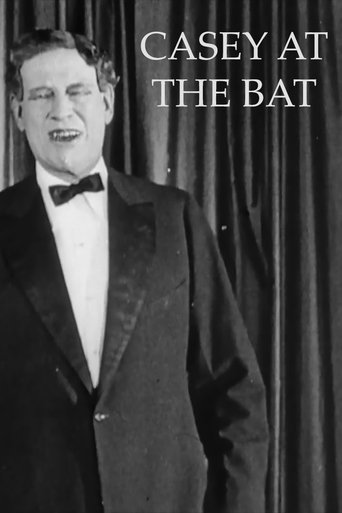
Casey at the Bat (1922)
Director

Noble Sissle and Eubie Blake Sing Snappy Songs (1923)
Director
Ben Bernie and All the Lads (1923)
Director
Weber and Fields Pool Hall (1923)
Director
What the Phonofilm Means (1923)
Director
Parade of the Wooden Soldiers from Chauve Souris (1923)
Director
A Study in Contrasts (1923)
Director
Eubie Blake Plays His Fantasy on Swanee River (1923)
Director
From Far Seville (1923)
Director
President Coolidge, Taken on the White House Grounds (1924)
Director