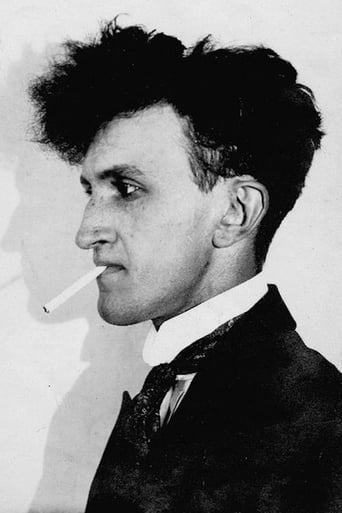
Jean Epstein
Photoplayd Industry Rating
Not enough rated films yet to compute a weighted score.
Roles are weighted by involvement: director 1.0, screenwriter 0.7, lead 0.8, supporting 0.4, crew 0.1.
Jean Epstein (French: [ɛp.ʃtajn]; 25 March 1897 – 2 April 1953) was a French filmmaker, film theorist, literary critic, and novelist. Although he is remembered today primarily for his adaptation of Edgar Allan Poe's The Fall of the House of Usher, he directed three dozen films and was an influential critic of literature and film from the early 1920s through the late 1940s. He is often associated with French Impressionist Cinema and the concept of photogénie. Epstein was born in Warsaw, Kingdom of Poland (then a part of Russian Empire) to a French-Jewish father and Polish mother. After his father died in 1908, the family relocated to Switzerland, where Epstein remained until beginning medical school at the University of Lyon in France. While in Lyon, Epstein served as a secretary and translator for Auguste Lumière, considered one of the founders of cinema. Epstein started directing his own films in 1922 with Pasteur, followed by L'Auberge rouge and Coeur fidèle (both 1923). Film director Luis Buñuel worked as an assistant director to Epstein on Mauprat (1926) and La Chute de la maison Usher (1928). Epstein's criticism appeared in the early modernist journal L'Esprit Nouveau. During the making of Coeur fidèle Epstein chose to film a simple story of love and violence "to win the confidence of those, still so numerous, who believe that only the lowest melodrama can interest the public", and also in the hope of creating "a melodrama so stripped of all the conventions ordinarily attached to the genre, so sober, so simple, that it might approach the nobility and excellence of tragedy". He wrote the scenario in a single night. Epstein had been much impressed by Abel Gance's recently completed La Roue, and in Coeur fidèle he sought to apply its techniques of rapid and rhythmic editing as well as the innovative use of close-ups and superimpositions of images. These techniques are most apparent during the first half of the film: the opening sequence establishing Marie's situation in the harbour bar through a series of close-ups of her face, her hands, the table and glasses that she is cleaning; the use of images of the sea and the port, either intercut or superimposed, to convey the yearnings of Jean and Marie; and the film's most celebrated sequence at the fairground in which a highly complex series of rhythmically assembled images charts the tension of the relationship between Marie and Petit Paul. The later scenes of the film are relatively conventional in the techniques employed and depend more upon situation and action than upon photography and processing of the images. In the 1920s, Epstein's works would display influences from German Expressionism. Epstein also made several documentaries about Brittany. Chanson d'Armor is known as the first Breton-speaking film in history. His two novels also take place in Breton isles: L'Or des mers in Ouessant and Les Recteurs et la sirène in Sein. Epstein died in 1953 from a cerebral hemorrhage.
Known for



Credits
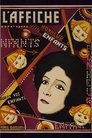
The Poster (1925)
Director
The Builders (1938)
Director
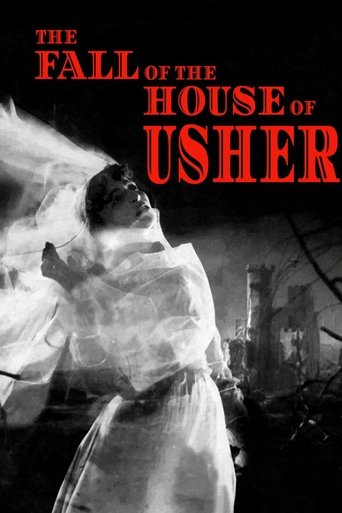
The Fall of the House of Usher (1928)
Director
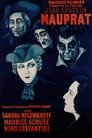
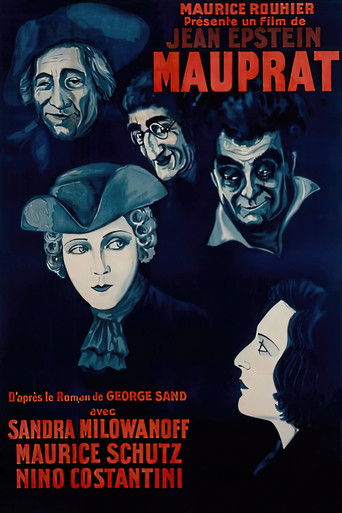
Mauprat (1926)
Director
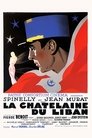
The Lady of Lebanon (1934)
Director
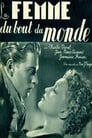
The Woman at the End of the World (1938)
Director
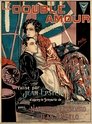
Double Love (1925)
Director
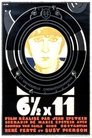
Six and a Half by Eleven (1927)
Director
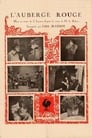
The Red Inn (1923)
Director
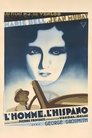
The Man with the Hispano (1933)
Director
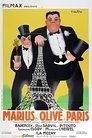
Marius and Olive in Paris (1935)
Director
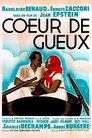
Heart of Tramp (1936)
Director
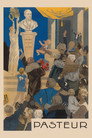
Pasteur (1922)
Director
The Drop Of Blood (1924)
Director
The Three-Sided Mirror (1927)
Director
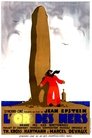
Gold of the Seas (1933)
Director
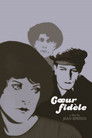
Cœur fidèle (1923)
Director
Song of Armorica (1935)
Director
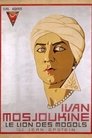
The Lion of the Moguls (1924)
Director

Finis Terræ (1929)
Director
His Head (1929)
Director
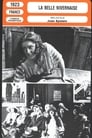
La Belle Nivernaise (1924)
Director
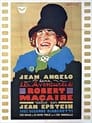
The Adventures of Robert Macaire (1925)
Director
The Storm-Tamer (1947)
Director
Eau vive (1938)
Director
The Infidel Mountain (1923)
Director
La Bretagne (1936)
Director
Vive la vie (1937)
Director
The Sea of Ravens (1930)
Director
The Villanelle of Ribbons (1932)
Director
Les vendanges (1922)
Director
La Vie d'un grand journal (1934)
Director
Efforts de productivité dans la fonderie (1953)
Director
The Cradles (1932)
Director
Notre-Dame de Paris (1931)
Director
Le vieux chaland (1931)
Director
The Fires of the Sea (2016)
Director
La Bourgogne (1936)
Director
La relève (1938)
Director
In the Land of George Sand (1926)
Director
La chanson des peupliers (1932)
Director
Artères de France (1939)
Director
Le pas de la mule (1930)
Director
Photogenies (1925)
Director
Le Cor (1932)
Director